April 30, 2026
Motorcycling in 2026 presents new opportunities and challenges for beginners. This guide aims to provide a comprehensive overview, equipping new riders with the essential skills and knowledge they need to hit the road safely and confidently. As technology and motorcycle design have evolved, new features have emerged that cater to both safety and performance. The growing community of motorcycle enthusiasts also offers support and camaraderie, enriching the riding experience. By understanding the modern landscape of motorcycling, beginners can make informed choices and enjoy their journey from novice to seasoned rider. Embarking on this path requires a blend of physical skill and mental awareness. Modern motorcycles often feature sophisticated electronics that assist with traction and braking, making the learning curve more manageable than in previous decades. However, the core principles of balance and observation remain the foundation of every successful trip. Whether you are commuting through urban centers or exploring rural roads, the sense of freedom provided by two wheels is unmatched. Proper preparation is the bridge between being a curious observer and an active participant in this vibrant culture.
Selecting Your First Ride
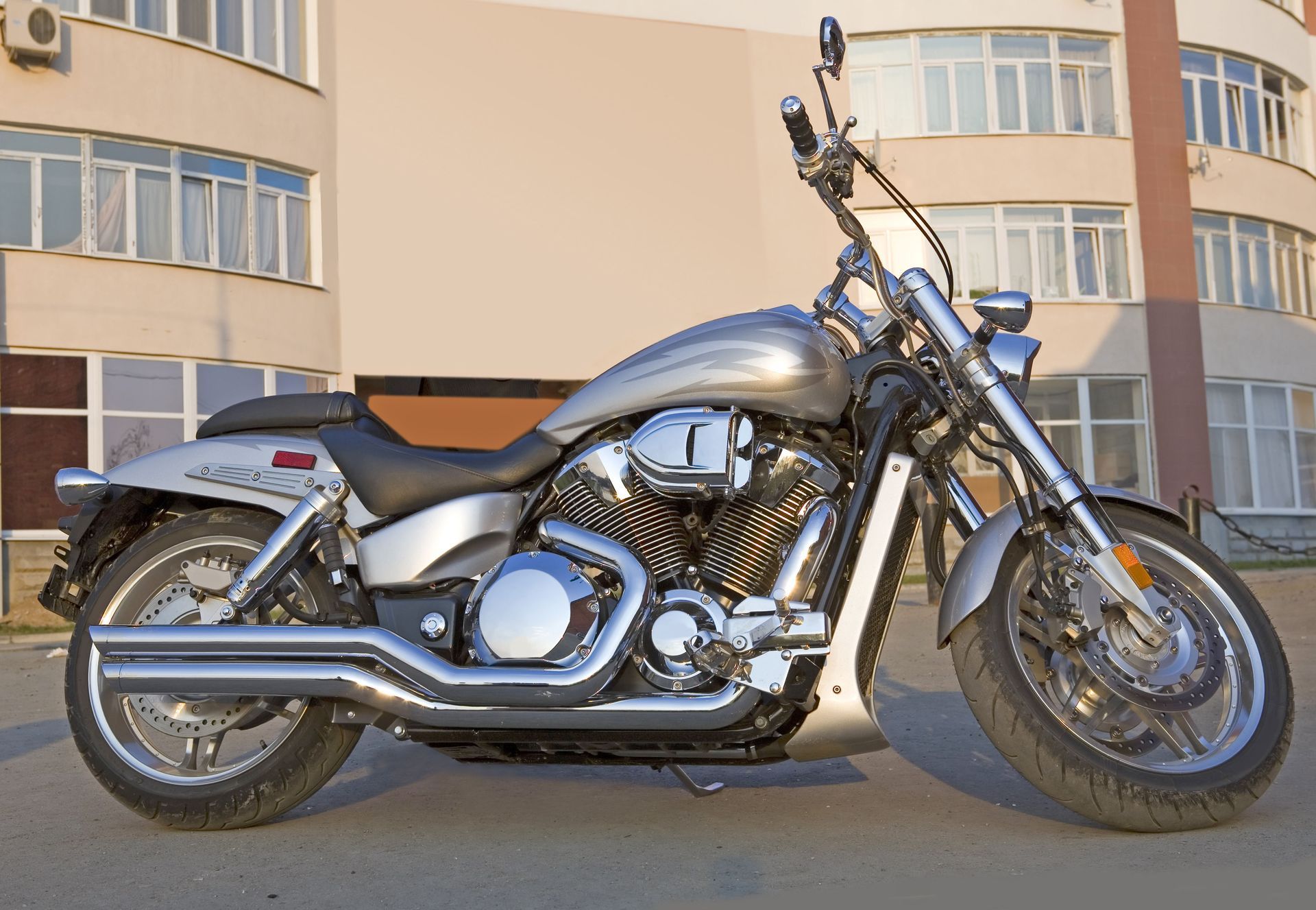
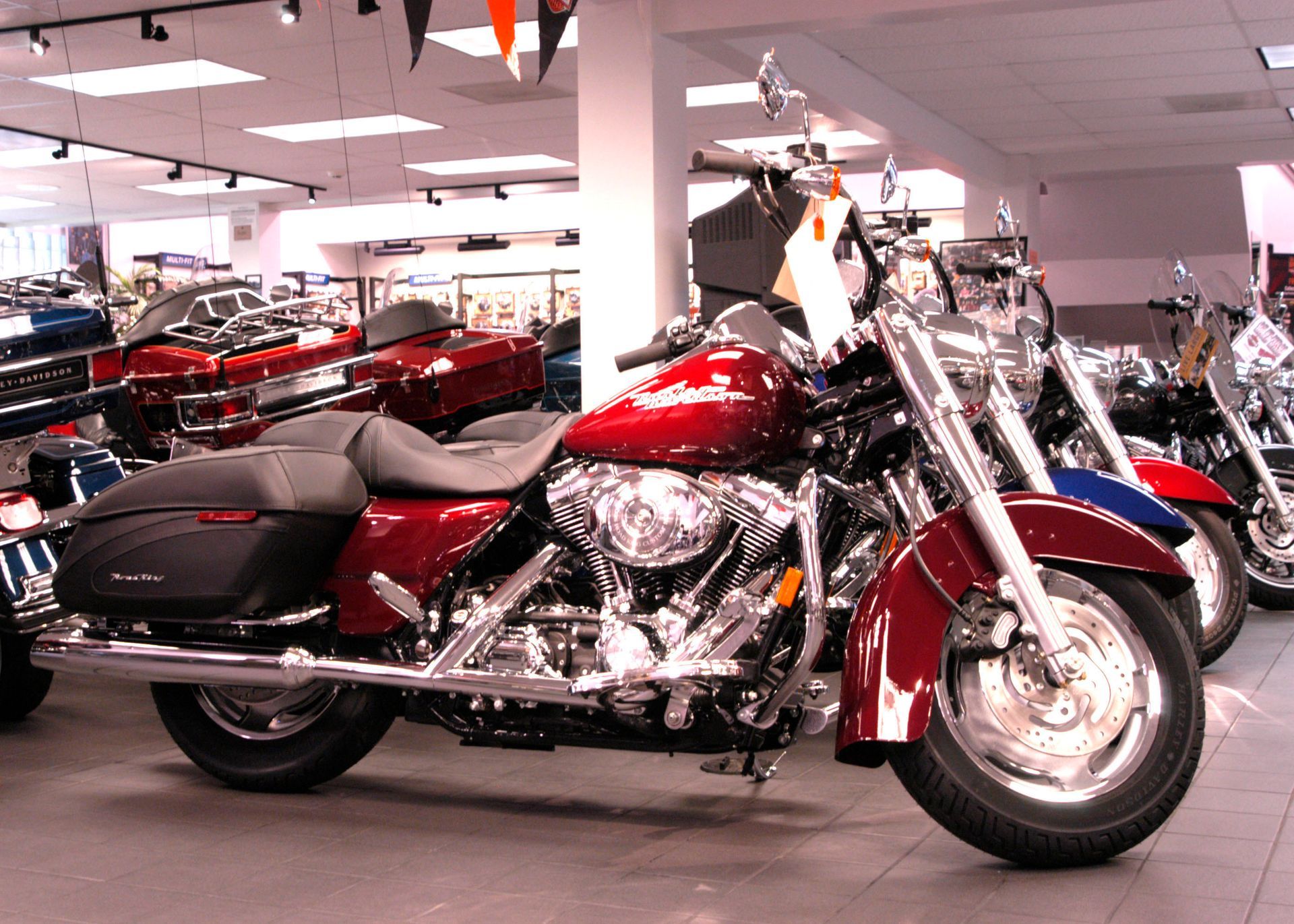
Choosing your first motorcycle is a pivotal decision that sets the tone for your development. According to Riders Share, individuals just starting out are best served by motorcycles featuring engines between 250cc and 300cc, as these models provide easily controlled power, a manageable heft usually between 300 and 400 lbs, and approachable seat heights of approximately 30 to 32 inches. Starting with a machine that fits your physical stature allows you to focus on developing muscle memory without being intimidated by excessive weight. Beyond engine displacement, consider the ergonomics of different styles. Cruisers offer low centers of gravity and relaxed seating, while dual-sport bikes provide the flexibility to transition from pavement to dirt. It is often wise to look for models equipped with anti-lock braking systems, which have become standard on most beginner-friendly motorcycles in recent years. This technology provides an extra layer of safety during the critical period when you are still mastering braking pressure and weight transfer. Taking the time to sit on multiple bikes at a local shop will help you determine which frame feels most natural for your body type.
Investing in Quality Gear
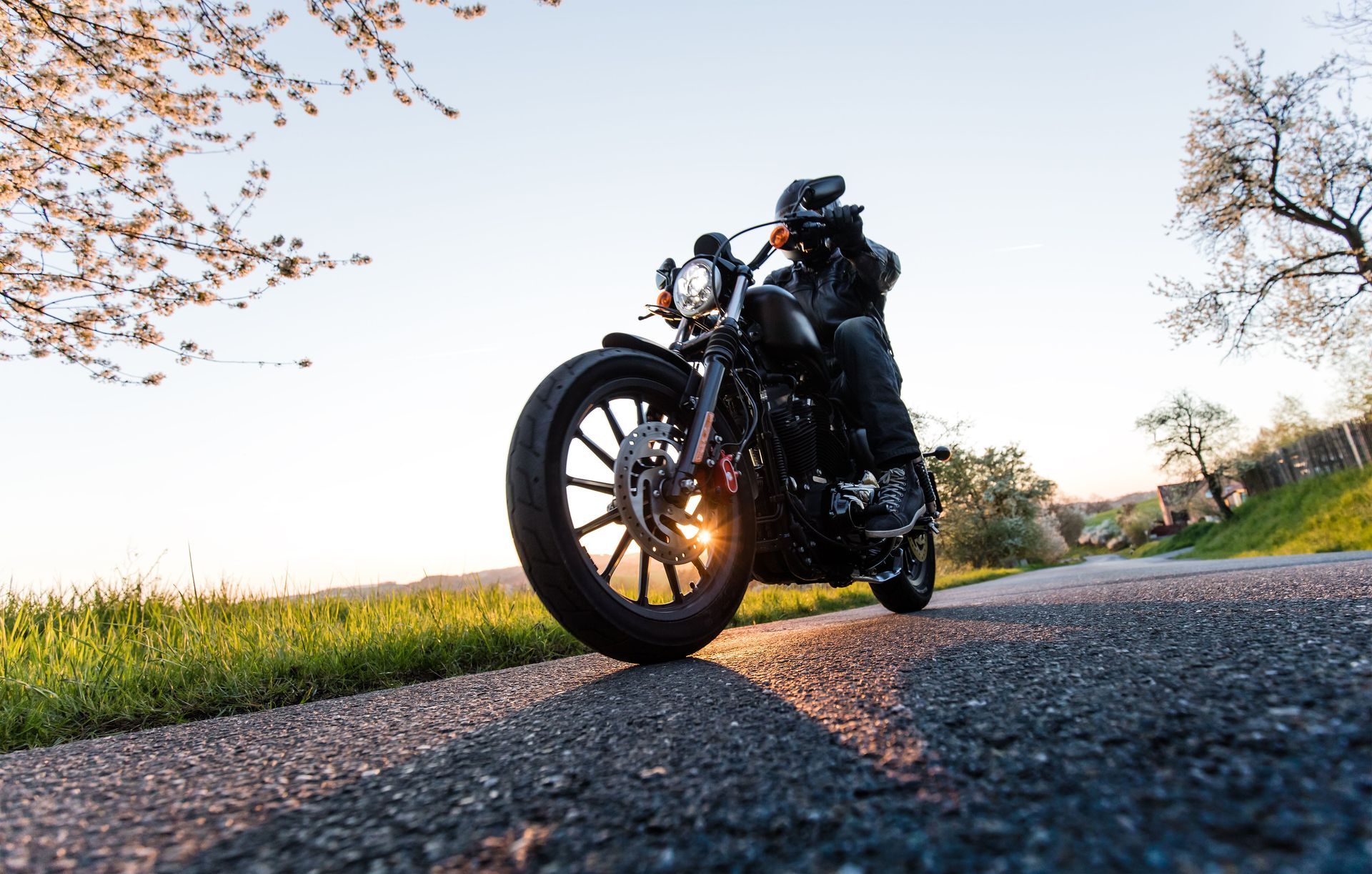
Protecting yourself is non-negotiable when operating motorcycles on public roads. A high-quality helmet is the most vital piece of equipment you will own. Ensure it carries modern safety certifications and fits snugly without causing pressure points. Modern helmets often include integrated sun shields and noise-reduction features that make long sessions in the saddle much more comfortable. Beyond head protection, a dedicated riding jacket equipped with impact armor at the elbows and shoulders is essential. Leather remains a popular choice for its superior abrasion resistance, but high-tech textile mesh jackets offer excellent protection with the added benefit of airflow for summer days. Do not overlook your extremities; reinforced gloves and boots that cover the ankle are necessary to prevent injuries during minor mishaps. The gear available today is more stylish and functional than ever, allowing you to prioritize safety without sacrificing your personal aesthetic. Many professional providers offer gear packages that ensure you are covered from head to toe before you even take delivery of your bike. Having the right equipment builds the confidence necessary to focus on the road ahead.
Mastering Fundamental Riding Skills
Developing the physical coordination to operate motorcycles takes patience and consistent practice. Enrolling in a certified training program is the most efficient way to learn the mechanics of the clutch and throttle in a controlled environment. These courses teach you how to perform low-speed maneuvers, which are often more difficult than riding at highway speeds. Mastering the "friction zone" of the clutch allows for smooth starts and stops, preventing the common frustration of stalling in traffic. As you progress, you will learn the importance of lane positioning and "the look-ahead" technique, where your eyes lead your path through a turn. Understanding how to scan for hazards like oil slicks, gravel, and distracted drivers is a skill that only improves with time. Proper body positioning also plays a major role in how the bike handles; keeping your knees tucked against the tank and your arms relaxed allows the suspension to do its job effectively. By building these habits early, you ensure that your reactions become instinctive when you face unexpected situations on the road. Professional guidance ensures you don't pick up bad habits that could hinder your safety later.
Maintaining Your Machine Regularly
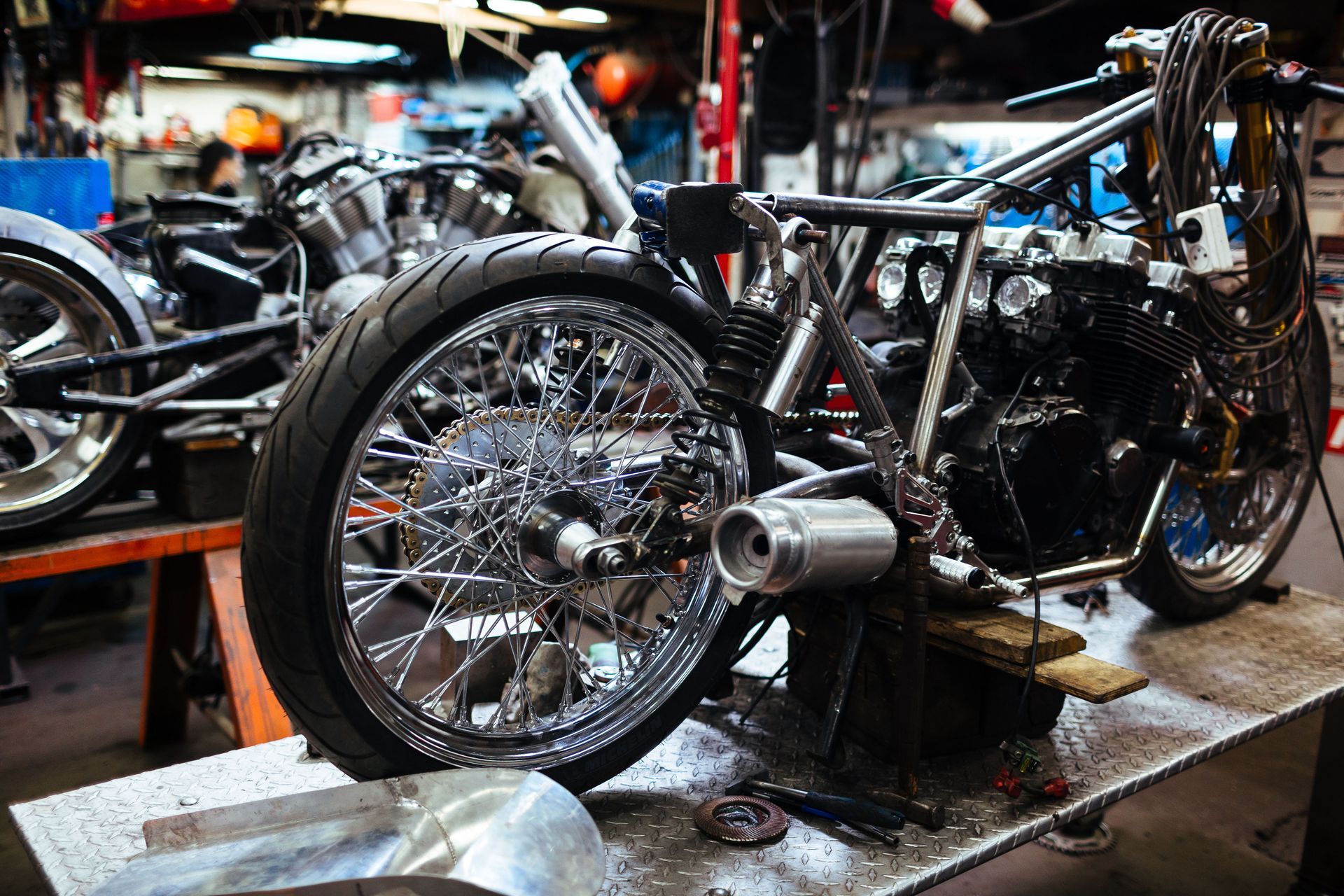
A well-maintained motorcycle is a safe motorcycle. Beginners should familiarize themselves with basic maintenance tasks to ensure their ride remains reliable. Checking tire pressure and tread depth should be a weekly ritual, as motorcycles are highly sensitive to even minor changes in tire condition. Chain tension and lubrication are also critical for smooth power delivery and to prevent premature wear on the drivetrain. Learning how to check your oil level and inspect brake pads can save you from costly repairs and dangerous mechanical failures. While many owners enjoy performing simple tasks themselves, having a professional service center handle complex engine diagnostics and fluid flushes is recommended. Modern bikes in 2026 often feature digital service reminders, making it easier than ever to stay on top of your schedule. Keeping a clean bike also allows you to spot leaks or loose bolts that might otherwise go unnoticed. Regular upkeep not only protects your investment but also ensures that every component is functioning as intended when you need it most. A proactive approach to maintenance reflects a responsible mindset that all successful riders share.
Navigating Traffic and Environment
Riding in a modern environment requires a high level of situational awareness. Motorcycles are smaller than cars and can easily be lost in blind spots, so riding defensively is the only way to operate. This means always having an escape route planned and never assuming that another driver has seen you. High-visibility gear and strategic use of your horn and signals can help, but your best defense is your own spatial awareness. Weather conditions also play a significant role in your experience; rain can reduce traction significantly and requires much smoother inputs on the controls. In 2026, many motorcycles come equipped with different riding modes that adjust engine mapping for wet or slippery conditions, which is a fantastic tool for those still gaining experience. Understanding the flow of traffic and anticipating the moves of others allows you to stay out of high-risk situations. It is also important to manage your own fatigue, as riding is a physically and mentally demanding activity. Taking frequent breaks during long trips keeps your mind sharp and your reactions quick. The more you ride, the better you will become at reading the "body language" of the surrounding vehicles.
Riding a motorcycle in 2026 can be an exhilarating and rewarding experience. With the right preparation, gear, and mindset, beginners can enjoy the freedom and adventure that motorcycling offers while ensuring their safety on the road. By understanding modern advancements in motorcycle technology and industry trends, riders can make informed choices suited to their needs. Engaging with the motorcycle community and regularly practicing riding skills further enriches the experience. The journey from novice to confident rider is achievable with dedication, preparation, and passion for motorcycling. Taking the first step is often the hardest part, but the rewards of the open road are worth the effort. As you gain miles and experience, you will find that your skills sharpen and your appreciation for the machine grows. Always prioritize safety and continue to seek out new knowledge to stay current with the latest techniques and technologies. For all your maintenance, parts, and service needs as you begin this journey, reach out to Rick's Motorcycle Enterprises today.